
When is not going a kind of care?
Yesterday, I did not go to my friend Stephen Winter‘s self-proclaimed “DIRECTOR DEBUT AS A LESBIAN HORROR MAESTRO.”1 I had a ticket and a great deal of (delinquent) devotion (I have been a fan, supporter, and also scholar of Stephen’s work for decades). But I was at home in bed nursing what I now am pretty sure is a cold. I long hauled with COVID for two years, and recently got pretty sick when I was reinfected. I need to take care of myself in light of this pandemic.
So, sadly, I chose to put on ice my quite recent practice of being in audiences (online and off) that can feed me and others, and then blogging about that here, during the interval between election and inauguration.
But of course not going to a public event when you are sick is itself a critical practice of public health and community care, as are mask wearing, providing good ventilation, and other efforts at inclusion at said events.2 Certainly, the promised vomit and crying would have meant a lot of fluid exchange and I was pretty snotty …
But in all seriousness, not going is an important form of harm reduction. First developed through HIV/AIDS activism, and expanded through COVID-19 and into other realms of the public good, harm reduction means making informed choices to keep the self in community safe. “Relationships are at the beginning of harm reduction” begins Mad Ecologies’ principles.3 My fellow collective member aAliy A. Muhammad‘s words are also informative: “Harm reduction is what we do with each other, for each other.”4
My current and recent practice requires that I “go there,” elevating effort, commitment, and presence as works of care in community. Being in an audience, especially when invited, can fuel yourself, buttress the experience of others, and serve as a gift to the artist, staff, and venue many times over: of your respect, attention, time, and body. A practice with each other and for each other.
But when I miss the night of perversity in two acts, I care for feral femmes and company in other ways: through intentional and community-minded absence. This is different from but I think related to another shared absence that I raised earlier, that act of faith imagining co-presence with an unseen but loving (virtual) audience.
If the above flier is to be believed, “A Thousand Dreadful Things” and “Gutbelly” can’t be unseen once you go there. I am sad to have missed that. But, I suppose, in counter-distinction, you must always unsee something you never saw. And I am pleased to have done this.
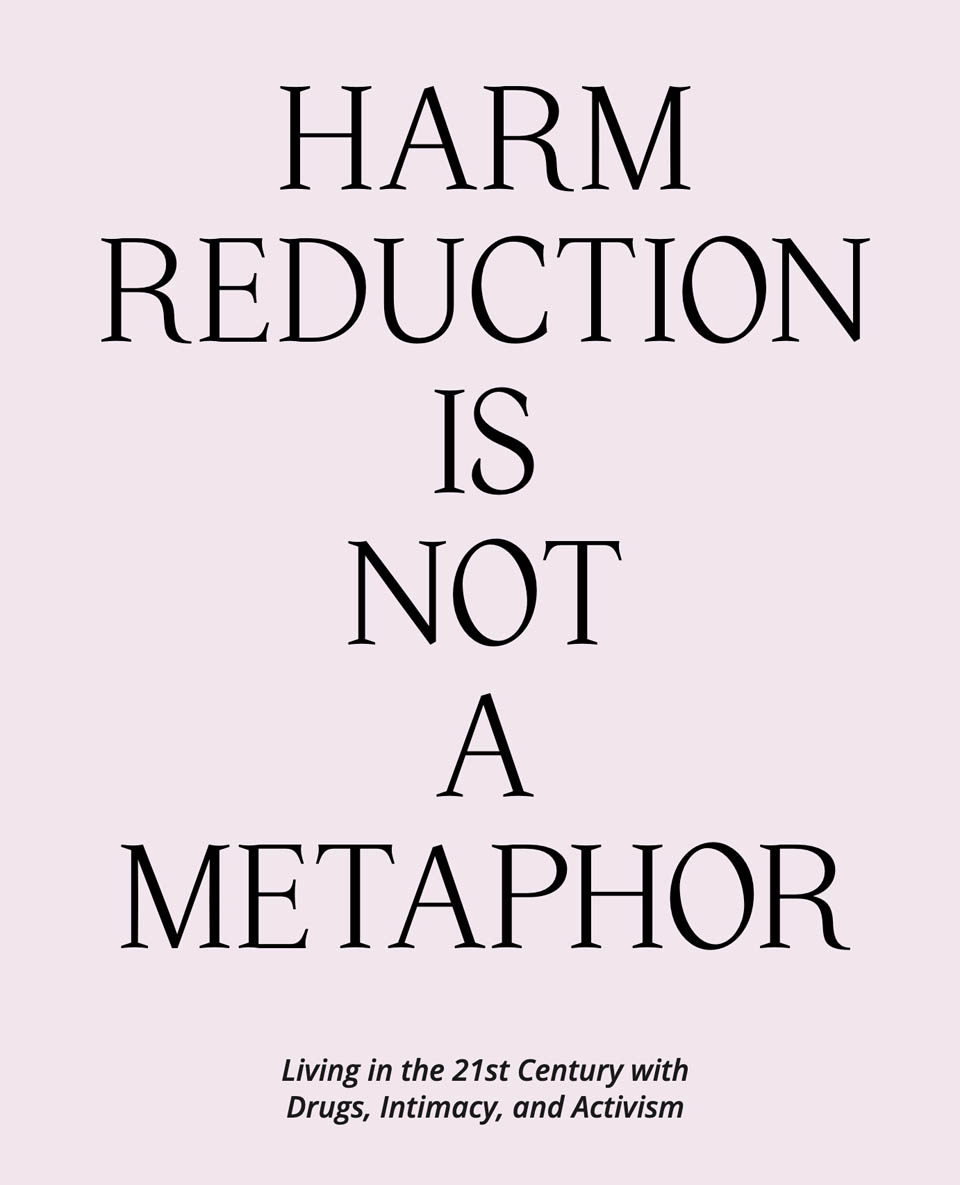
This kind of not knowing (by not going) can contribute to other’s well-being; not a metaphor of absence but an embodied practice of unseen care.
- If you are in town and are inclined to a night of perversity in two acts,” tickets are still available. ↩︎
- Practicing Inclusion in the Time of COVID, Strategies for High Impact. ↩︎
- Philadelphia Principles – Radical Harm Reduction and the World We Want, Mad Ecologies. ↩︎
- “Introduction,” Harm Reduction is not a Metaphor” What Would an HIV Doula Do? collective. ↩︎